Tips5 min read
Is ATV Riding in Bali Safe? An Honest Look at the Risks and How the Good Tracks Manage Them
Straight answers on ATV safety in Bali: what the reputable tracks provide, what the real risks are, who should not ride, and the questions to ask before you book.
Yes, ATV riding in Bali is safe for beginners when you ride at a purpose-built track with a guide. That qualifier matters. The eight venues on this site meet the same baseline: private land closed to traffic, automatic quads, a briefing and practice lap, a guide leading every group, helmets and boots supplied, and basic personal accident insurance. Here is what that means in practice, what the real risks are, and how to lower them further.
Why private tracks change the picture
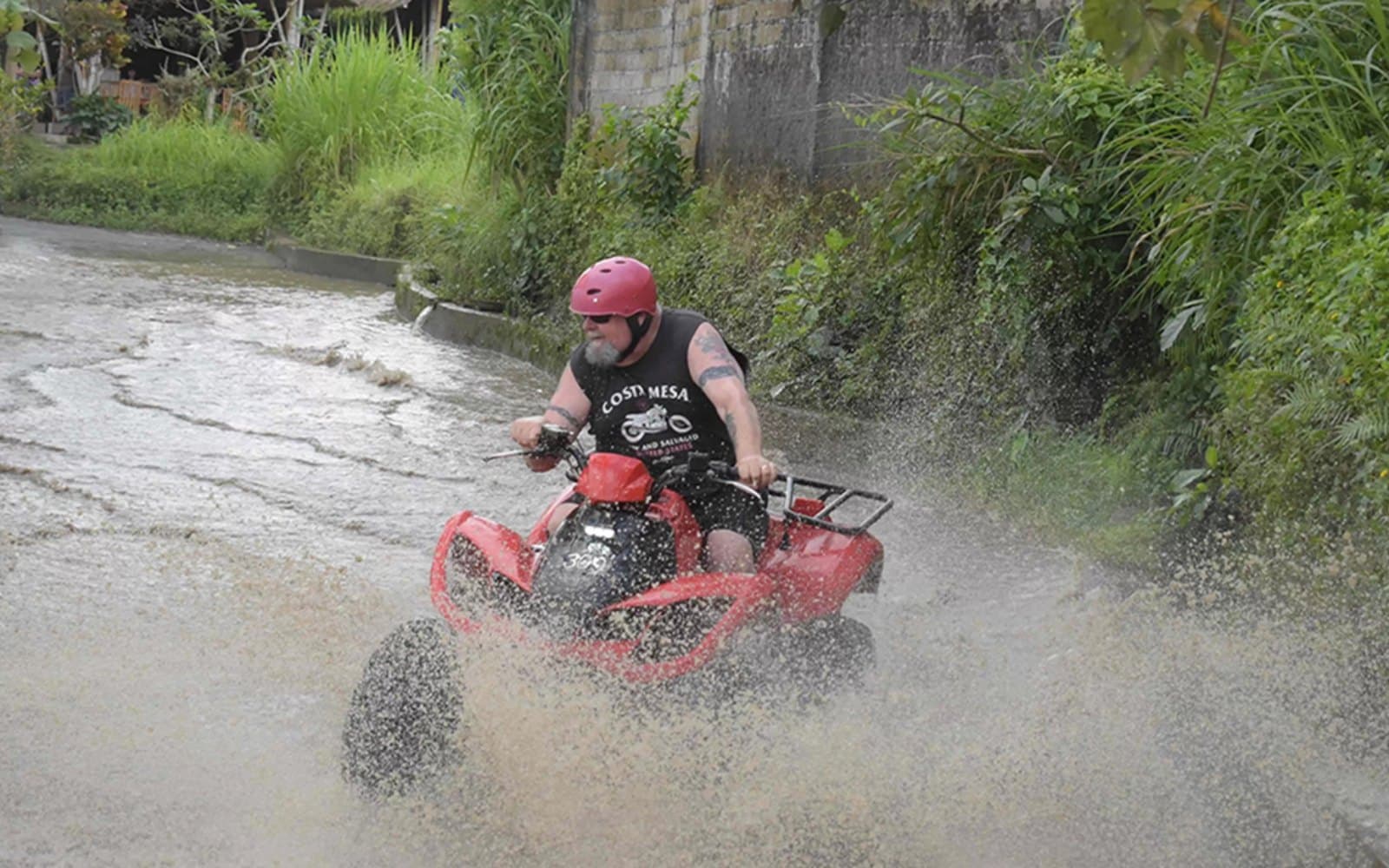
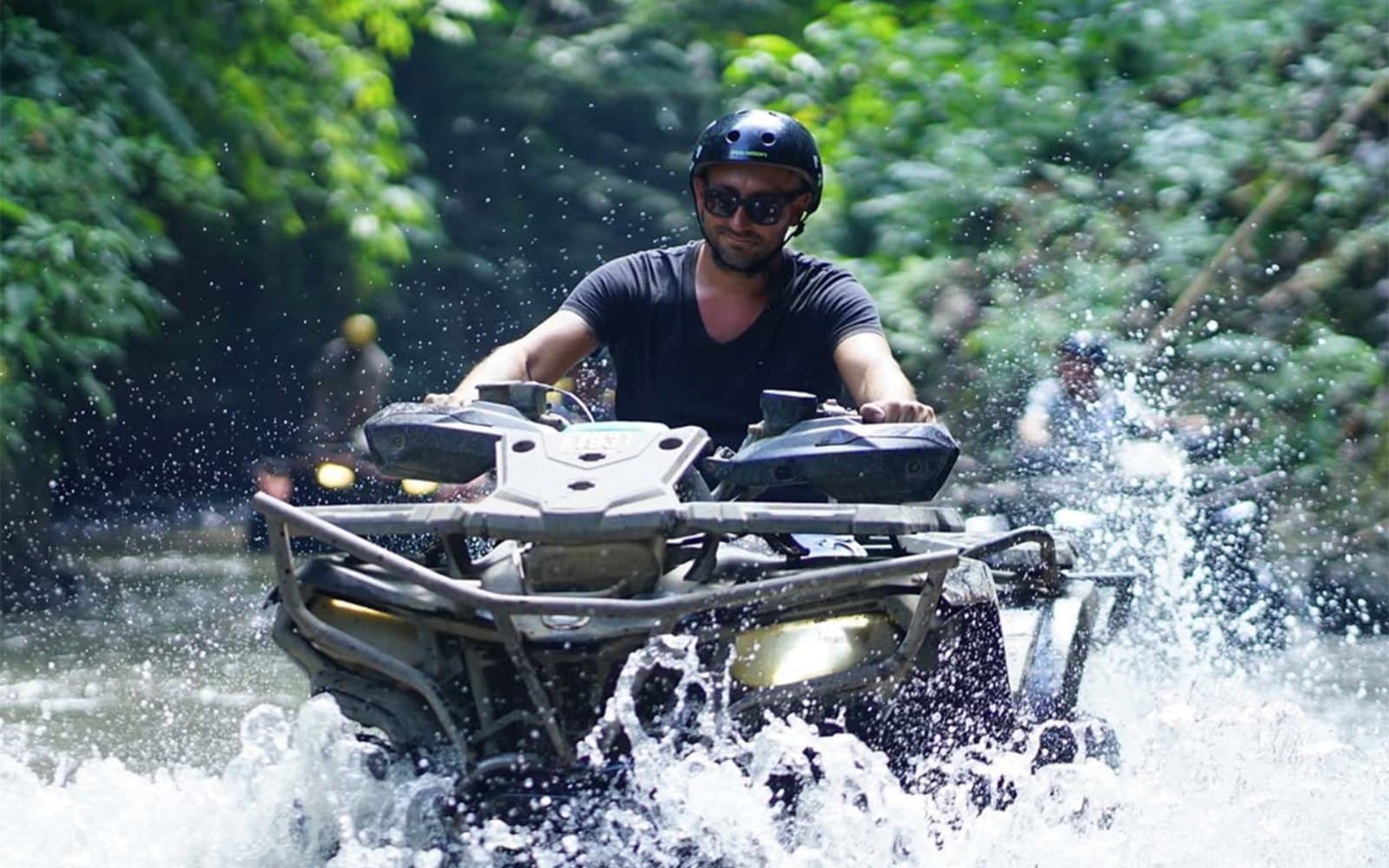
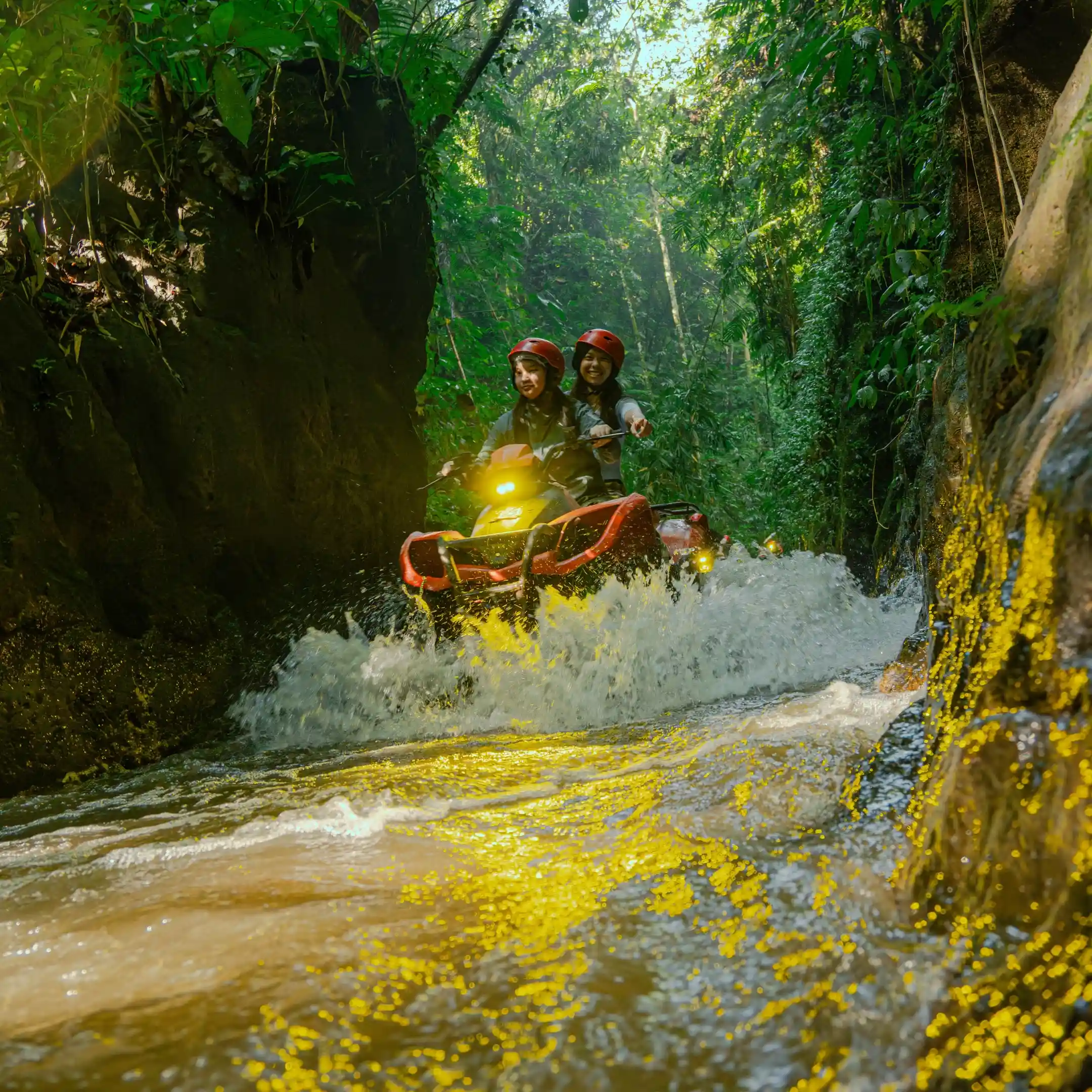
The accidents you read about in Bali overwhelmingly involve rented scooters on public roads. ATV tracks are the opposite environment: no cars, no traffic, a route the guides ride several times a day and maintain, and speeds that rarely exceed 25–30 km/h. The mud pools and river crossings that look dramatic in photos are shallow and are checked every morning before the first slot.
What every listed track provides
- Automatic 250cc quads (350cc at Beji River, 450cc at Alasan as options) with thumb throttle and hand brakes. No clutch, no gears, nothing to stall.
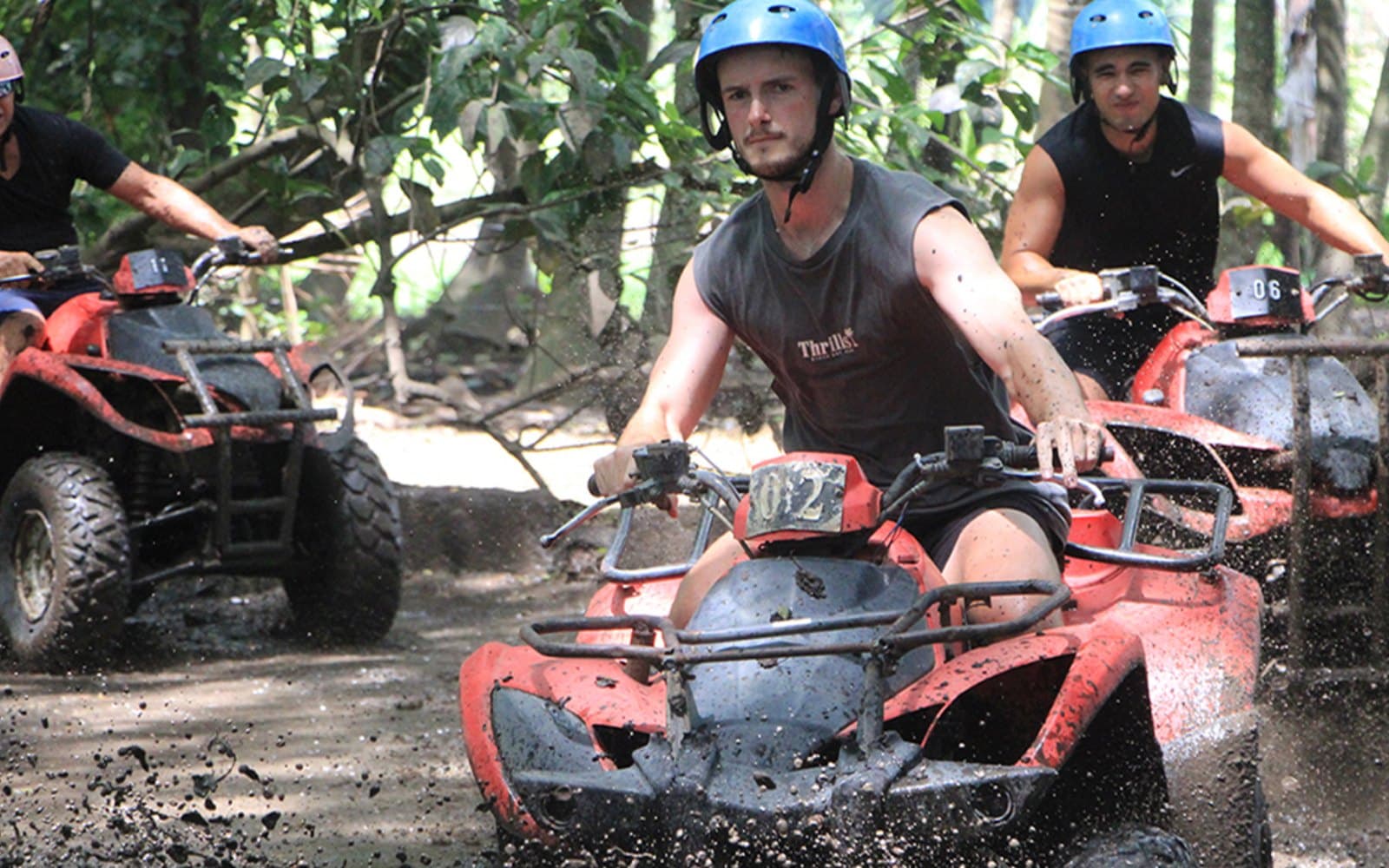
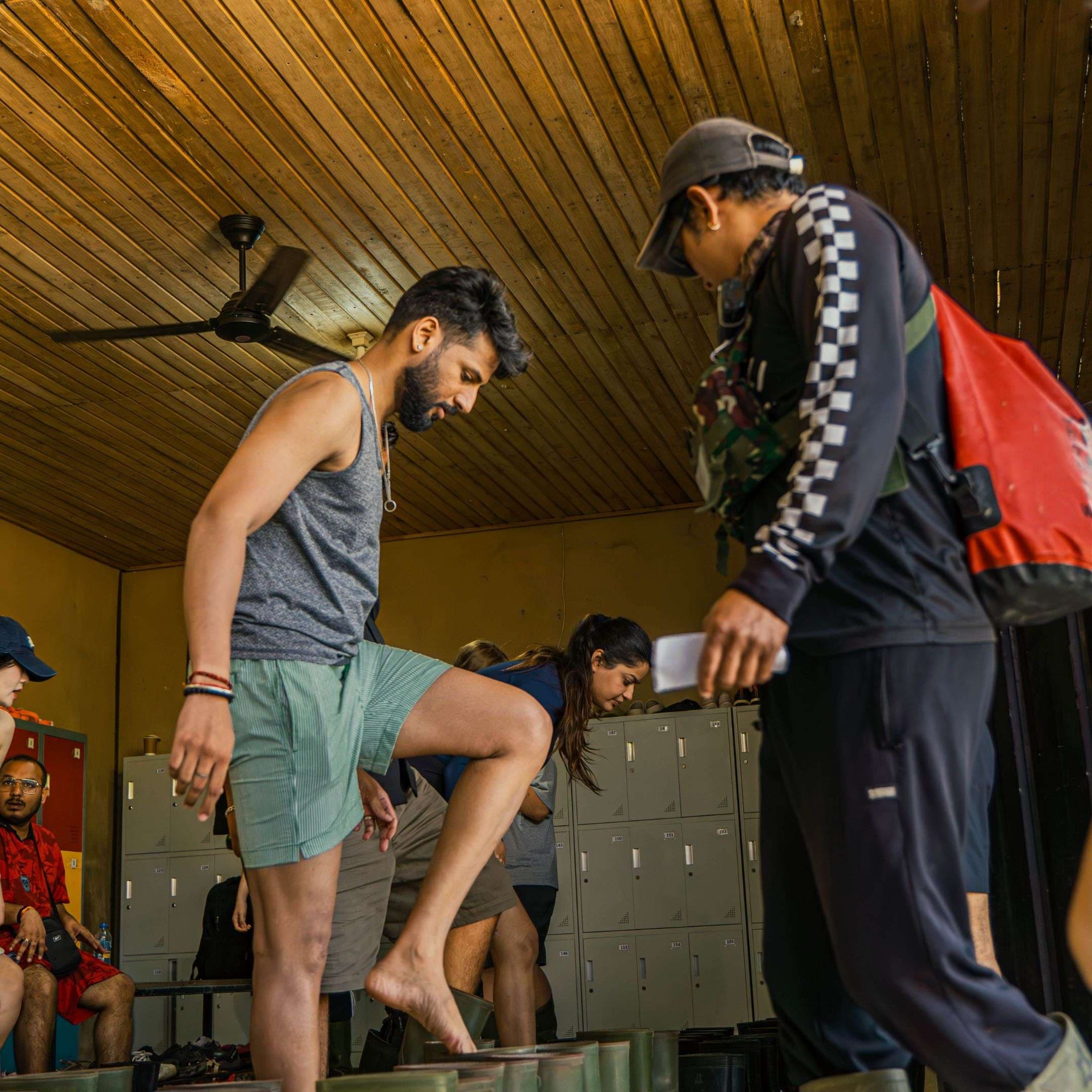
- Helmet and rubber boots for every rider and passenger, in adult and child sizes.
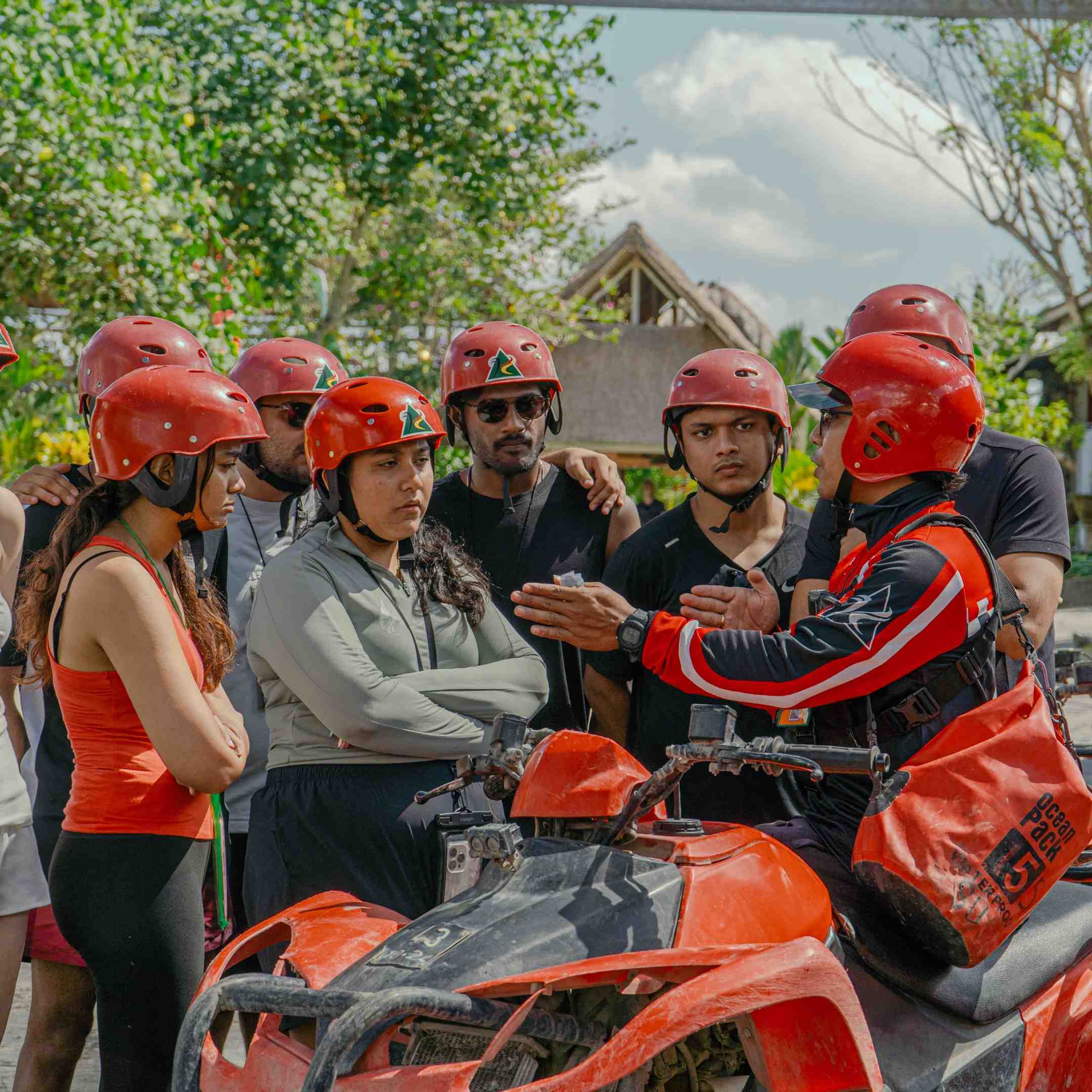
- Safety briefing and practice lap on a flat field before you go anywhere near the trail. Guides will not take a rider onto the course until they can start, stop and turn confidently.
- A guide in front and, in larger groups, a sweeper behind. The pace is set to the slowest rider, and the guide stops the group before every technical section to explain the line.
- Basic personal accident insurance included in the price at all eight tracks. This covers medical treatment for injuries on the ride up to the operator's policy limit; it is not travel insurance.
- Waivers you sign at registration, which is also where ages and health declarations are checked.
The real risks, honestly
Tipping on a slope. The most common incident is a quad tipping sideways on a cambered clay section when a rider leans the wrong way or brakes mid-corner. Guides teach you to lean uphill and keep momentum; at walking pace it is rarely more than a muddy tumble.
Sunburn and dehydration. Genuinely the most frequent problem. Apply sunscreen before you arrive, drink the water provided, and choose morning slots in the dry season.
Scrapes from bamboo and branches. Wear long sleeves on the narrower jungle tracks if your skin marks easily.
Aggravating an existing condition. Quads vibrate and bounce. That is why every operator excludes pregnant women and people with heart conditions, back, neck or joint problems.
Serious injuries at guided tracks are rare. The single most protective thing you can do is follow the guide's line and speed, especially in the caves and on the descents.
Who should not ride
Every operator we list excludes:
- Pregnant women (as driver or passenger)
- Guests with heart conditions, serious back, neck or joint problems, or recent surgery
- Anyone under the influence of alcohol or drugs
- Children below the minimum age (12 to drive at most tracks, 16 at Green Bali; passengers from 5–7)
If you have a condition that is not on the list but affects balance, grip or reaction time, message us before booking and we will ask the operator.
Questions to ask any operator (and our answers for the eight we list)
- Is the track on private land, away from roads? Yes, all eight.
- Are the quads automatic? Yes, all eight.
- Is there a briefing and practice lap? Yes, all eight.
- Does a guide ride with the group the whole way? Yes, all eight.
- Are helmets and boots included? Yes, all eight.
- Is accident insurance included? Yes, basic cover at all eight.
- What happens in bad weather? Rides run in rain; operators close the track for storms, flooding or landslides and you get a new date or a full refund.
Travel insurance
The included cover is basic and pays for on-the-spot treatment. For anything more, you need travel insurance that explicitly covers "quad biking" or "motorised adventure activities". Many standard policies exclude it or cap it, so check the wording. Some insurers require that a helmet is worn and that you are not the driver on a public road; both are automatically satisfied on a private track.
Riding with kids
Children ride as tandem passengers behind an adult until they meet the driving age. Helmets fit from roughly age 5. The guide keeps family groups at the back where the pace is gentlest. Read our age rules guide for the exact rule at each track.
What we do if something goes wrong
We are a booking service, not the operator, but we are in Bali and on WhatsApp. If there is an incident, the venue's staff handle first aid and, if needed, transport to the nearest clinic (Ubud has several 24-hour clinics 20–30 minutes from every track; BIMC and Siloam hospitals are 45–60 minutes away). Tell us as soon as you can and we will help with the insurance paperwork and anything the operator needs from your side.
Bottom line
Ride at a purpose-built track, listen to the briefing, keep to the guide's pace, put sunscreen on, and drink the water. Do that and ATV is one of the safer adventure activities in Bali, and one of the most fun. Choose a track and read our what to wear guide before you go.
- Tags
- safety
- insurance
- beginners
- helmets
- guides